


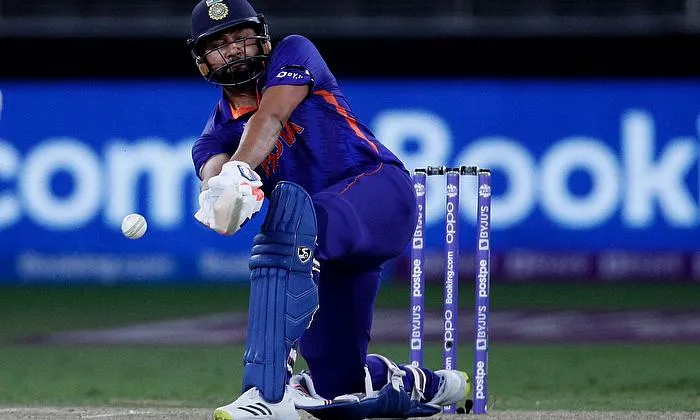
Cricket match predictions have become an essential part of how fans, analysts, and fantasy players experience the modern game. From a casual viewer trying to understand who might win, to a serious follower studying form and conditions, predictions shape expectations before a single ball is bowled. Cricket is emotional, unpredictable, and deeply influenced by small moments, which makes predicting outcomes both challenging and fascinating.
Unlike many sports, cricket changes character with formats, pitches, weather, and even time of day. A team that looks unbeatable in Tests may struggle in T20s. A pitch that appears flat in the morning can turn vicious by evening. Understanding these layers is what separates informed prediction from blind guessing.
Why Cricket Predictions Matter More Than Ever
The global reach of cricket has expanded rapidly. With leagues, international tours, and year-round schedules, fans no longer rely on reputation alone. They want insight. This demand has made cricket match predictions a serious analytical exercise rather than casual opinion.
Predictions help fans read the game better. They encourage deeper engagement with player roles, team balance, and tactical decisions. Over time, this understanding builds trust in analysis and improves how matches are enjoyed.
The Human Element in Cricket Analysis
Cricket is not played by numbers alone. Confidence, pressure, leadership, and crowd energy all influence outcomes. A young batter playing their first home series may perform beyond expectations, while a seasoned star can struggle under unfamiliar conditions.
Great predictions respect this human side. They acknowledge that form is not just a statistic but a reflection of mindset. Reading interviews, body language, and recent experiences often reveals more than raw averages.
Pitch Conditions and Their Hidden Impact
Pitches are the heartbeat of cricket. A dry surface in Chennai behaves very differently from a green top in Leeds. Understanding pitch history is one of the oldest and most reliable cricket match predictions techniques.
Some grounds favor spinners as matches progress. Others reward fast bowlers early before flattening out. Teams that read these cues well often gain a decisive edge. Predicting outcomes without pitch awareness is like reading half the story.
Weather and Timing in Match Outcomes
Weather influences cricket more than most sports. Overcast skies assist swing bowlers, while dry heat can tire fast bowlers quickly. Even dew in night matches can turn games on their head.
Experienced analysts factor these details into predictions. A team batting second under heavy dew may suddenly become favorites, even if they looked weaker on paper before the toss.
Team Balance and Role Clarity
Strong teams are not just collections of star players. They are balanced units where roles are clearly defined. A side with all-rounders who contribute in multiple phases often adapts better to changing conditions.
When making cricket match predictions, understanding who does what matters deeply. A batting lineup filled with stroke-makers but no anchors may collapse under pressure. Similarly, a bowling attack without variation can be predictable.
The Role of Recent Form Over Reputation
Cricket history is rich, but recent form often matters more than legacy. A legendary player returning from injury may need time to settle. Meanwhile, a newcomer in peak form can outperform expectations.
Smart predictions prioritize current rhythm. Watching recent innings or spells provides context that career statistics cannot. Form reflects timing, confidence, and physical readiness, all crucial on match day.
Head-to-Head Records and Psychological Edges
Some teams simply dominate others, regardless of venue or era. These patterns are not coincidences. They stem from tactical matchups, confidence, and psychological comfort.
In cricket match predictions, head-to-head records help identify these trends. A team that has repeatedly beaten another often enters the contest with belief, while the opponent may carry mental baggage.
Format-Specific Thinking in Cricket
One-day cricket, T20s, and Tests demand entirely different skills. A bowler effective in Tests may struggle in the death overs of T20s. Similarly, a power-hitter may be less effective in long formats.
Predictions must respect these differences. Evaluating a player or team without considering the format leads to misleading conclusions. Context is everything in cricket analysis.
Toss Factor and Tactical Flexibility
The toss can be decisive, especially in subcontinental conditions or day-night matches. Teams that adapt quickly to toss outcomes often outperform rigid sides.
Good cricket match predictions consider both scenarios. Analysts think through how teams might approach batting or bowling first, and which combination suits each situation better.
Captaincy and On-Field Decisions
Leadership in cricket is subtle but powerful. Field placements, bowling changes, and batting order tweaks can change momentum instantly.
Captains who read the game well create advantages beyond talent. When predicting matches, understanding a captain’s style offers valuable insight into how a game might unfold under pressure.
The Influence of Squad Depth
Long tournaments test depth. Injuries, fatigue, and rotation expose weak benches. Teams with quality replacements maintain consistency even when stars rest.
Predictions that account for squad depth tend to be more accurate. A side relying heavily on a few players is vulnerable, especially in congested schedules.
Home Advantage and Crowd Energy
Playing at home brings familiarity with conditions and crowd support. In cricket-loving nations, fans can energize players and unsettle opponents.
While home advantage is not absolute, it remains a key factor in cricket match predictions. Teams comfortable with local conditions often start matches with a subtle psychological edge.
Data Analytics and Modern Prediction Models
Technology has transformed cricket analysis. Advanced metrics track player movement, shot selection, and bowling patterns. These insights refine predictions when used wisely.
However, data should support understanding, not replace it. Numbers explain trends, but interpretation brings clarity. The best predictions balance analytics with cricketing intuition.
Learning From Upsets and Surprises
Cricket history is filled with shocking upsets. Underdogs rise, favorites fall, and matches defy logic. These moments teach humility and sharpen analysis.
Each upset reveals overlooked factors. Maybe conditions suited the weaker side, or pressure overwhelmed the favorite. Learning from these moments improves future cricket match predictions.
The Role of Experience in Reading Big Matches
High-stakes matches bring unique pressure. Finals and knockouts often favor teams with experienced campaigners who handle nerves better.
Predictions for such games weigh experience heavily. Young talent excites, but calm heads often prevail when margins are thin and stakes are high.
Storytelling Through Match Context
Every match tells a story. Rivalries, comebacks, debuts, and farewells all influence performance. A player returning after criticism may play with extra motivation.
Great cricket match predictions read these narratives. Understanding what a match means emotionally adds depth to analysis that statistics alone cannot capture.
Avoiding Bias and Emotional Predictions
Fans naturally support their teams, but emotional bias clouds judgment. Effective predictions require honesty, even when it contradicts loyalty.
Experienced analysts separate fandom from evaluation. They accept uncomfortable truths, which leads to more reliable and respected insights over time.
Long-Term Trends in International Cricket
Cricket evolves constantly. Batting strike rates rise, bowlers adapt variations, and strategies shift. Keeping up with these trends sharpens predictive ability.
Predictions grounded in current trends feel relevant and accurate. Ignoring evolution leads to outdated assumptions that no longer reflect modern cricket.
Trust, Credibility, and EEAT in Predictions
Reliable predictions come from consistent analysis, transparency, and learning from mistakes. Trust builds when insights are explained clearly and logically.
EEAT principles thrive when predictions are experience-backed, evidence-driven, and presented with honesty. This approach earns respect, even when outcomes differ from expectations.
Why Patience Improves Prediction Accuracy
Cricket rewards patience. One bad prediction does not define expertise. Over time, patterns emerge, judgment improves, and confidence grows.
Staying patient allows analysts to refine methods and sharpen instincts. The journey of mastering cricket match predictions mirrors the game itself, demanding discipline, curiosity, and resilience.
Read also:
which greblovz2004 to play
why wuvdbugflox failure
thinkofgames .com guide
thinkofgames com guides