


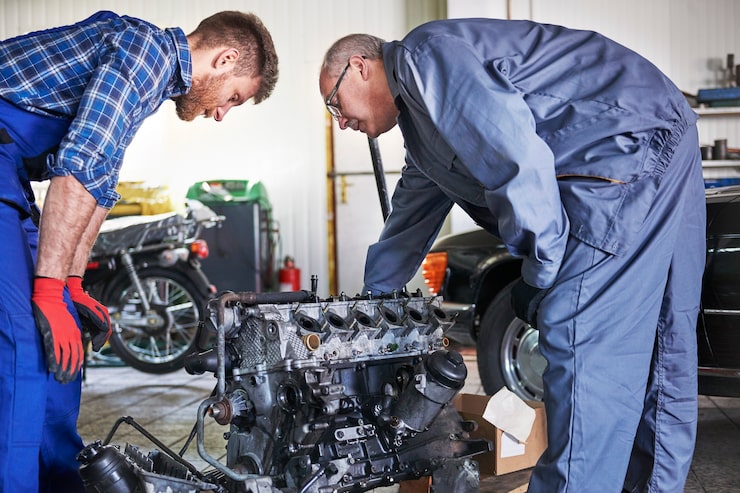
The Engine repair guide is the first resource most car owners search for when their vehicle begins showing signs of trouble. Understanding how an engine works, what causes common issues, and how to handle them gives you more confidence and helps you make better decisions at the garage. Whether you are new to engines or already have some experience, knowing the right steps can save you money, prevent breakdowns, and increase the lifespan of your vehicle.
Engine repairs may sound complicated, but once you break them down, they are logical and structured processes. Every component has a purpose and every issue has a root cause. This article will help you understand those causes and guide you through essential repair knowledge using real-life examples, technician insights, and experience-backed explanations.
Understanding the Basics of Engine Function
Every effective Engine repair guide begins with a clear understanding of how the engine operates. A vehicle engine converts fuel into motion through combustion. The pistons move because fuel burns inside sealed chambers, producing power. This is what keeps your car running smoothly, and any disturbance in this cycle can lead to performance issues.
The engine relies on air, fuel, spark, and compression working together. If any of these elements fail, even slightly, you may notice rough idling, misfires, low power, or unusual vibrations. Recognizing these early is the foundation of good engine repair practice.
Most beginners assume engines fail suddenly, but the truth is different. Engines often give multiple signs before a breakdown. Leaks, noises, heat, or a slight drop in efficiency can be early warnings. Learning to understand these signals makes repairs easier and cost-effective.
Common Symptoms That Indicate Engine Trouble
Many car owners first discover the need for repairs when the vehicle starts behaving differently. A good technician always listens to what the car is trying to say. Noise, smell, performance change, and dashboard warnings all provide clues.
If your car struggles to accelerate or takes longer to start, it means one of the engine components is not functioning correctly. A knocking sound could mean the fuel mixture is incorrect or parts inside the engine are wearing out. If the Check Engine Light appears, it is a direct request for attention.
Imagine driving uphill and the engine suddenly loses power. Most beginners panic, but an expert would immediately check airflow, fuel delivery, or spark timing. Real-life mechanics rely heavily on pattern recognition, and understanding these patterns is part of learning engine repair.
Diagnosing Engine Problems Like a Professional
A major section of any Engine repair guide focuses on diagnosis. Instead of guessing, professionals follow a step-by-step process. The goal is to find the true cause of the issue, not just the visible problem.
Diagnosis begins with scanning for error codes. Modern cars use onboard computers that store fault data. A simple scan tool can reveal misfires, faulty sensors, or issues with fuel delivery systems. Even without tools, you can diagnose basics by observing engine behavior.
For example, rough idling often means there is either an air leak or a fuel imbalance. Excessive smoke indicates incomplete combustion or burning oil. High engine temperature points toward cooling system issues. Each symptom leads you closer to the correct repair path.
Once the root cause is clear, repairs become easier and more accurate. This approach prevents repeated breakdowns and ensures long-term reliability.
Essential Tools Every Beginner Should Have
You don’t need an expensive toolbox to start repairing engines. Basic tools like a wrench set, screwdrivers, spark plug remover, and a light scanner are enough for most beginner-level repairs. A tire pressure gauge, flashlight, and small torque wrench also help while working in tight spaces.
Using the right tool for the right job protects both you and the vehicle parts. Incorrect tools can damage bolts, sensors, and fragile components. Mechanics learn early in their careers that quality tools save both time and frustration.
Keeping these tools organized, clean, and easily accessible is another important habit. A well-prepared workspace increases safety and helps you follow repair steps with clarity.
Step-by-Step Engine Inspection for Beginners
A thorough inspection is the backbone of engine repair. Start by checking the oil level and color because oil reveals the internal condition of the engine. Dark or gritty oil suggests contamination and potential wear. A burning smell from the oil cap indicates overheating.
Inspect belts and hoses next. Cracked belts can break suddenly and damage other components. Loose hoses can lead to coolant or vacuum leaks. Both issues are common reasons for engine overheating or poor performance.
The air filter needs attention too. A clogged filter restricts airflow and increases fuel consumption. You can easily replace it at home without specialized tools.
Look for fluid leaks under the car. Oil, coolant, or transmission fluid leaks are warning signs that must be addressed before they cause further damage. Understanding these visual symptoms helps you prevent expensive repairs.
Understanding Different Types of Engine Repairs
Engine repairs can range from minor adjustments to major component replacements. Some repairs involve cleaning sensors, replacing spark plugs, adjusting timing, or fixing leaks. Others may require opening parts of the engine or replacing pistons, gaskets, or valves.
Beginners should start with simple repairs and gradually learn advanced techniques. Understanding how each part works and how it affects the overall system is essential. Practice, patience, and observation build confidence.
Real-life mechanics often say that small mistakes lead to big problems when working with engines. This is why following guides, keeping track of steps, and double-checking your work is important.
How Professionals Decide Between Repair and Replacement
Sometimes repairing a part is inefficient or costly in the long run. For example, if a head gasket is severely damaged, replacing it may be better than attempting temporary fixes. Similarly, old timing belts or worn-out spark plugs are usually replaced instead of cleaned.
Technicians use experience, data, and inspection results to decide the best approach. Cost, time, reliability, and long-term performance all influence the decision.
Understanding these factors helps car owners communicate better with mechanics and avoid unnecessary expenses.
Real-Life Story: A Simple Repair That Saved a Car
A beginner once brought a car to a workshop claiming the engine needed replacement. It was losing power, overheating, and consuming more fuel. Many assumed the engine was failing. But after proper inspection, the mechanic found a clogged radiator and a damaged thermostat. A basic repair restored full performance.
This example shows the importance of proper diagnosis and how even simple issues can feel like major failures. It also highlights why understanding the engine system saves money, time, and stress.
Regular Maintenance to Prevent Engine Damage
One of the most essential parts of any repair guide is learning how to prevent damage. Regular oil changes keep the engine lubricated and free from harmful deposits. Maintaining coolant levels prevents overheating. Changing spark plugs ensures efficient combustion.
Driving habits also affect engine life. Hard acceleration, short trips, and carrying excess weight put stress on the engine. Smooth driving and regular warm-up cycles improve efficiency.
A clean engine bay helps you spot leaks and loose wires early. Keeping track of service history allows you to monitor patterns and plan maintenance.
When to Visit a Professional Mechanic
While many repairs are manageable at home, certain issues need expert attention. Strange knocking noises, continuous overheating, and internal engine leaks must be handled by trained professionals. Modern engines include complex sensors and computer systems that require specialized tools.
A good mechanic will explain the problem, show evidence, and offer solutions. Understanding repair steps helps you trust the process and avoid unnecessary replacements.
Even if you enjoy DIY repair, combining your knowledge with professional support ensures better long-term results.
Importance of Understanding Your Engine’s Manual
Your car’s manual contains valuable information about servicing intervals, oil types, spark plug specifications, and recommended tools. Beginners often ignore the manual, but professionals use it regularly.
Following the manual ensures compatibility and prevents damage caused by incorrect parts or fluids. It also helps you maintain the engine according to the manufacturer’s standards.
This habit builds confidence and supports long-term reliability.
How Engine Technology Is Evolving
Modern engines have become more efficient, cleaner, and smarter. Sensors monitor airflow, temperature, ignition timing, and fuel mixture constantly. Understanding these systems helps you diagnose issues faster.
Hybrid and electric vehicles have changed the repair landscape, but traditional engines still remain in use worldwide. Learning engine basics today is an investment in lifelong vehicle knowledge.
Read also:
delhi capitals vs gujarat titans match scorecard
nasik fatafat result
nature real ytr
wellhealthorganic.com:vegetarian protein sources