
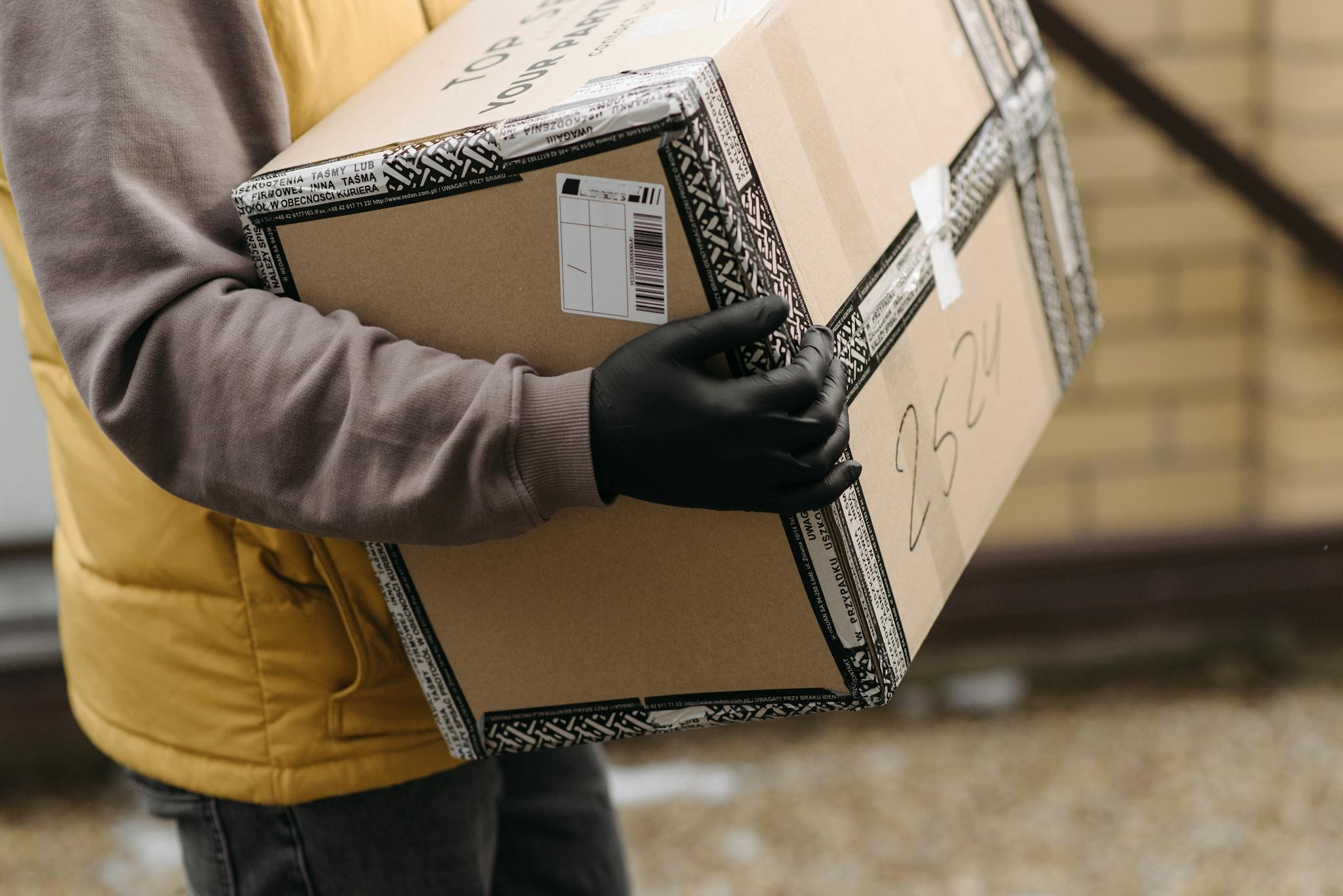
Courier delivery has become a routine part of shopping, business communication, document exchange, and everyday personal life. tirupaticouriertracking.com can be useful for readers looking for practical information about courier tracking and shipment updates. People usually become interested in tracking after a parcel has already left the sender, because nobody really enjoys wondering where a package might be sitting. A tracking number gives some visibility, although the information can sometimes look confusing when different updates appear during the journey. One shipment may show several detailed scans, while another may show only a few basic statuses. That difference does not necessarily mean one parcel is moving better than the other. Courier companies use different systems, different scanning methods, and different wording for their updates. Packages also move through sorting centers, transport routes, local branches, and delivery vehicles before reaching the recipient. Understanding these stages can make tracking much easier. It can also help people recognize when a normal delay deserves patience and when an unusual delay deserves attention. Good tracking habits are fairly simple once the basic process becomes familiar.
Start With Accurate Shipment Details
A smooth delivery process begins before the parcel enters the courier network because the sender needs to provide useful information. The recipient’s name, address, postal code, phone number, and other required details should be entered carefully. Even a small mistake can create complications when the delivery person reaches the destination area. Apartment numbers, building names, office details, and local landmarks can sometimes be particularly important when many people share similar addresses. Businesses should pay attention to these details because incorrect information can create repeated delivery attempts and additional customer support work. The tracking number should also be saved after shipment because it is usually the quickest way to check progress later. Customers should keep the courier name together with the tracking reference because the same number cannot normally be checked through every delivery company. If an address needs to be corrected after shipping, the sender or courier should be contacted quickly. Available correction options depend upon the shipment and courier policies. Waiting until the package reaches the delivery stage can make changes more difficult. Careful information at the beginning remains one of the simplest ways to avoid unnecessary problems.
Tracking Numbers Provide Visibility
A tracking number acts as a reference that connects a shipment with information stored in the courier’s system. It may be provided on a receipt, order confirmation, shipping notification, email, text message, or seller dashboard. Customers should keep the reference until the package has been received and any delivery issue has been resolved. When entering the number manually, every character should be checked because one mistake can result in an error message. Some tracking references contain letters and numbers that can look similar when copied quickly. If possible, copying the reference from a reliable source can reduce typing errors. Customers should also confirm that the courier name matches the tracking page they are using. An online shopping order can sometimes involve a third-party courier, meaning the seller’s website and delivery company’s website may display different information. A newly created tracking number may also take some time to appear in the courier system. This can happen when the shipment has been prepared but has not yet received its first physical scan. Therefore, an unavailable result shortly after shipment does not automatically indicate a serious issue.
Common Status Messages Explained
Courier tracking systems use different words, but many shipment statuses describe similar stages of movement. A pickup update generally indicates that the courier has received the package from the sender. A processing or sorting status can mean that the parcel is being organized at a facility before transportation continues. An in-transit message normally means the shipment is moving through the courier network. When the parcel reaches a destination or local branch, another status may indicate that it has moved closer to the recipient. The phrase out for delivery usually suggests that the parcel has entered the final delivery route. A delivered message normally appears after the courier records successful completion. These updates should be understood as general indicators because different courier companies may use different terms and scanning procedures. Some companies provide detailed movement information, while others display only major stages. Customers should therefore avoid comparing two courier systems as though they operate in exactly the same way. Looking at the sequence of updates is usually more helpful than focusing on one phrase. The overall history gives a clearer picture of where the parcel has been and what stage it has reached.
Why Tracking May Not Refresh
Customers sometimes become concerned when a shipment status remains unchanged for several hours or longer. However, tracking information does not always update every time a parcel physically moves. A package may travel between two facilities without receiving another visible scan until it reaches the next processing point. This is particularly understandable during long-distance transportation, where several hours may pass before another tracking event occurs. Large sorting facilities can also process many packages, and system updates may not appear instantly. Technical issues can create additional delays between a physical scan and the information becoming visible online. Weekends, holidays, weather problems, and unusually high shipment volumes may also affect the frequency of updates. Customers should compare the unchanged status with the expected delivery timeframe before assuming something has gone wrong. A few hours without movement can be completely normal in some situations. A shipment remaining unchanged well beyond its expected timeframe deserves more attention. When contacting support, customers should provide the tracking number and explain how long the status has remained unchanged. This gives the courier a clearer starting point for checking the shipment.
Estimated Delivery Needs Context
An estimated delivery date gives customers a useful timeframe, but it should not always be interpreted as an exact promise. Courier companies depend on transportation schedules, sorting operations, road conditions, local delivery routes, and many other factors. Unexpected problems can change the original estimate even when the shipment was moving normally. Customers should therefore avoid assuming that a package will definitely arrive at one particular hour unless the courier has provided a specific appointment or guaranteed service. Businesses should follow the same principle when communicating delivery expectations to customers. Promising an exact arrival time when the courier only provides an estimate can create unnecessary complaints later. Busy shopping periods can also produce longer processing times because shipment volumes increase sharply. Customers should check both the latest tracking status and the estimated delivery window before becoming concerned. A package that is still moving within the expected timeframe may not require any action. If the estimated date passes and the tracking information shows no meaningful progress, contacting the sender or courier becomes more reasonable. Understanding estimates correctly helps people plan without creating unrealistic expectations.
Local Facility Means Progress
When a shipment reaches a local facility, it generally means the parcel has completed much of its longer transportation journey. This can be a useful sign because the package is now closer to the destination address. However, the parcel may still need to go through local sorting before being assigned to a delivery route. A local branch can handle many shipments during the day, so reaching the facility does not necessarily mean immediate delivery. The courier may need to organize packages according to different neighborhoods and delivery routes. Once the parcel is assigned for delivery, the tracking status may change to out for delivery. Customers should understand that local delivery can still take several hours because the driver may have many addresses to visit. Traffic and building access can also affect the sequence. Someone expecting an important package should keep the provided contact number available when possible. If the shipment remains at the local facility beyond the expected timeframe, the customer can check again later or contact support when appropriate. The local facility stage is useful information, but it should not be treated as an exact arrival appointment.
Out For Delivery Is Different
Out for delivery generally indicates that the parcel has moved into the final stage of the courier process. The shipment has usually been assigned to a delivery worker or route and may arrive during that day’s service period. However, this status does not normally provide an exact delivery time. A delivery worker can have many stops, and the sequence may change depending upon traffic, recipient availability, building access, or route conditions. Some deliveries may occur early in the day, while others may happen later. Customers should keep their phone available if the courier might need directions or confirmation. If the recipient cannot be reached, the delivery may be attempted again according to the courier’s procedures. Customers should avoid assuming that an out-for-delivery status guarantees successful delivery on that same day. Tracking information can sometimes remain unchanged until the next scan is recorded. If the day ends without delivery, checking the next available update can explain whether another attempt is planned. A little patience is often reasonable during the final delivery stage, especially in busy areas where drivers handle many shipments.
Delayed Shipments Need Checking
A delayed parcel does not automatically mean the shipment has been lost. Delays can happen because of weather conditions, transportation issues, sorting workloads, incorrect address details, unexpected route changes, technical problems, or unusually large shipment volumes. The first step should usually be checking the latest available tracking information. Customers should compare the current status with the expected delivery timeframe instead of judging the situation only by how long they have been waiting. If the package is only slightly late, another update may appear after it reaches the next facility. If the delay becomes unusually long, contacting the courier can provide more information. In some cases, the sender may also need to contact the courier because certain investigations can only be started by the shipping customer. Customers should keep their receipt and tracking reference available when requesting assistance. Providing the correct shipment number helps support staff locate the package more efficiently. It is also useful to explain the last visible update and the expected delivery date. Clear information makes it easier to determine whether the shipment is still moving, delayed, awaiting action, or potentially requires further investigation.
Failed Attempts Can Happen
A delivery attempt may fail even when the courier has reached the recipient’s general area. The recipient might not be available, the address could be incomplete, or the delivery person might be unable to access a building or office. Sometimes the courier needs additional directions or another piece of information before completing the delivery. The tracking page may record a failed attempt using specific wording that differs from other courier systems. Customers should read the latest update carefully because it may explain what happens next. Another attempt could be scheduled, or the parcel might be held at a local facility. In some cases, the sender may need to provide instructions or request another delivery arrangement. Customers should not assume that every failed attempt automatically results in delivery the next day. Courier procedures can vary based on shipment type, destination, and service conditions. If a delivery attempt has failed, contacting the courier promptly can help prevent the parcel from being returned unnecessarily. Customers should also make sure the phone number provided to the courier remains active. Quick communication can sometimes solve a delivery problem before it becomes a larger issue.
Online Sellers Need Tracking
For online businesses, shipment tracking is closely connected with customer satisfaction because buyers naturally want information after placing an order. A seller can provide a tracking reference so customers can monitor delivery without sending repeated support messages. This can reduce workload for the business while giving buyers more confidence about their purchase. Sellers can also review tracking information to identify unusual delivery patterns. If multiple packages become delayed at the same location, the business may recognize that a particular route or facility is experiencing problems. Over time, sellers can compare courier performance across different destinations and shipment types. This information may help them choose better delivery services for future orders. Tracking also helps businesses communicate more accurately when customers ask where their order is. Instead of guessing, support staff can refer to the latest recorded update. However, businesses should not simply send a tracking number without explaining what customers can expect. A short shipping message can explain when tracking becomes active, where updates can be checked, and what to do if the shipment becomes significantly delayed. Clear communication makes the delivery experience easier for everyone.
Important Documents Need Tracking
Documents can sometimes be more important than ordinary parcels because losing or delaying them may affect applications, contracts, business operations, or other responsibilities. Tracking provides useful visibility after such documents leave the sender’s possession. A shipment reference allows the sender to monitor progress and identify whether the package has reached the destination. It can also provide useful information if the sender later needs to contact customer support. Before sending important documents, customers should verify the recipient’s complete address carefully. Copies of the documents can also be retained where appropriate, particularly when the originals are difficult to replace. The shipping receipt should remain available until delivery has been confirmed. Tracking should not be confused with proof that a recipient organization has reviewed or accepted the contents. It generally provides information about shipment movement and recorded delivery. Customers should choose the courier service according to the importance and timing of the documents rather than selecting purely on price. When the material is time-sensitive, understanding the service’s expected delivery conditions becomes especially important. Careful preparation can reduce the chance of avoidable problems.
Stay Alert Around Fake Messages
Delivery-related messages can sometimes be used to trick customers because people naturally expect updates when they have ordered something. A suspicious message may claim that the address is incomplete, a small payment is required, or delivery will be cancelled unless the recipient clicks a link. Customers should verify such claims through a trusted courier channel before taking action. It is safer to open the courier’s official website independently instead of automatically clicking an unfamiliar link in a message. Customers should also avoid providing banking passwords, card information, verification codes, or unnecessary personal details through unexpected delivery requests. A message containing a real tracking number should not automatically be considered genuine because shipment details can sometimes be used to make fraudulent communication look believable. Businesses should also train staff to recognize suspicious courier-related messages because company employees may receive many deliveries. If something feels unusual, independent verification is usually the better approach. Tracking should make delivery more convenient, but convenience should never replace basic online safety. Customers can check genuine shipment information without responding immediately to every message that appears in their inbox or phone.
Tracking Helps Business Planning
Shipment visibility can help businesses plan their daily activities more effectively. A company waiting for raw materials, packaging, equipment, documents, or inventory can check whether an expected delivery has reached a nearby facility. This information can influence scheduling and reduce unnecessary assumptions about when supplies will arrive. Customers can use tracking in a similar way when waiting for important purchases. A shipment still traveling between distant facilities requires different expectations from one already at a local delivery center. Tracking can also help businesses communicate more professionally with their customers. Instead of saying that an order should arrive soon without evidence, support staff can review the current shipment status and provide a more informed response. Businesses managing many orders should keep tracking references organized because different shipments can have different delivery schedules. This becomes particularly important during busy periods when support teams may be handling many customer questions simultaneously. Tracking information can support planning, but businesses should still leave some flexibility for unexpected delays. Courier networks cannot always provide perfectly predictable movement, so practical schedules should include reasonable room for change.
Choose Couriers Carefully
The best courier service depends upon what the sender actually needs from the delivery process. Price is one factor, but businesses and customers should also consider coverage, tracking quality, delivery speed, support, reliability, and handling requirements. A low-cost service may be suitable for ordinary shipments where timing is flexible. A business sending important documents may prefer a service with stronger tracking and dependable delivery procedures. Online sellers should also consider where their customers are located because courier performance can differ between regions. One service may work well in one area but provide less convenient coverage somewhere else. Businesses can review previous shipment results to identify patterns rather than choosing based only on advertising claims. Delivery complaints, delayed shipments, successful delivery rates, and support experiences can all provide useful information. Customers should also understand what service level they are purchasing before comparing delivery dates. A standard shipment and an expedited shipment may have very different expectations. Choosing a courier based on actual requirements can reduce problems later and create a more reliable delivery experience.
Keep Tracking Simple
People do not need to check their tracking page every few minutes to remain informed about a parcel. A simple routine usually works better. Keep the tracking number available, confirm the courier name, check the expected delivery window, and review the latest status when necessary. If an update remains unchanged for a reasonable period, wait for the next expected scan before assuming the package has disappeared. If the shipment becomes significantly delayed, contact the appropriate support channel with the tracking number and relevant details. Keeping receipts can also help when a shipment needs further investigation. Online sellers can follow similar habits by recording shipment references and monitoring orders that remain delayed beyond normal expectations. These small habits can make delivery management easier without creating unnecessary stress. Tracking is most useful when it provides practical information for making decisions. It should not become a reason to repeatedly refresh the same page when no new scan has occurred. Once customers understand common statuses and normal delivery patterns, courier tracking becomes much more straightforward.
Conclusion
Courier tracking has changed the way people manage parcels because shipment information is now easier to access than it was in the past. Customers can use tracking numbers to follow general movement, understand whether a package has reached a local facility, and recognize when a shipment has entered the final delivery stage. Still, tracking information should be interpreted carefully because online updates do not always appear at the exact moment a package physically moves. Delays can occur for ordinary reasons, including transportation problems, sorting workloads, weather, incorrect addresses, and unusually high parcel volumes. Accurate shipment details can prevent many avoidable delivery issues, while keeping receipts and tracking references organized can make support requests easier. Businesses benefit from tracking because customers can monitor orders themselves, while sellers gain better visibility into courier performance. Important documents can also be monitored more confidently when a shipment reference is available. Customers should remain cautious with unexpected delivery messages and independently verify suspicious payment or information requests through trusted channels. Good courier tracking is mainly about understanding the information available and knowing when action is actually necessary. Keep shipment details accurate, check updates sensibly, allow reasonable time for normal processing, and contact the courier or sender when a genuine issue continues. For regular senders, online businesses, and everyday recipients, these simple habits can make parcel deliveries easier to manage and considerably less confusing.
Read also :-