
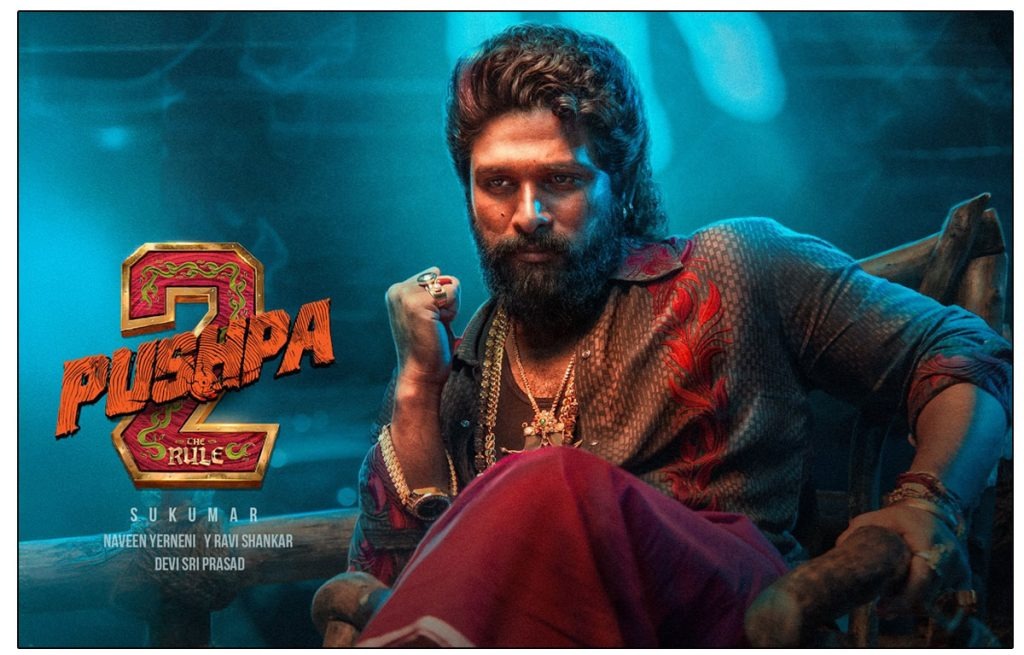
Telugu cinema brings together different filmmaking styles, regional influences, and entertainment preferences across a wide audience. filmy4wapps.org offers readers another place to explore Telugu movie information, cinema discussions, film updates, and related entertainment topics. Every production involves several decisions that influence how the final movie looks and feels. Directors, actors, writers, technicians, and production teams all contribute to different parts of the process. Some movies depend on large production arrangements, while others focus on smaller stories and familiar surroundings. Understanding these differences can help viewers appreciate the work behind Telugu films beyond their final screen appearance.
Finding Stories Worth Developing
A Telugu movie usually begins with an idea that needs further development before filming can properly start. Writers may develop stories around family relationships, historical events, social situations, personal ambitions, or fictional characters. An interesting idea alone does not automatically create a complete movie because the story still needs suitable characters and connected situations. Writers often consider how the opening introduces the subject and how later events develop naturally. Dialogue also needs attention because conversations can reveal personality, background, and relationships. Some scripts require several revisions before the production team considers them ready. This early work can influence almost every department involved later. A clear screenplay provides useful direction when filming becomes more complicated.
Choosing Suitable Shooting Locations
Locations can influence the atmosphere and practical requirements of Telugu movie production. A story involving village life may require different surroundings than a contemporary urban drama. Production teams sometimes use existing locations because they already provide suitable buildings, streets, landscapes, or cultural details. Other scenes may require specially prepared sets when an actual location cannot provide the necessary conditions. Location selection also involves transportation, permissions, available facilities, and arrangements for cast members. Outdoor filming can become difficult when weather changes or public activity interrupts planned scenes. Choosing locations carefully can therefore reduce unnecessary production difficulties. The surroundings should support the story rather than simply provide attractive backgrounds.
Understanding The Director’s Responsibilities
A director helps connect the screenplay with the performances and visual presentation shown onscreen. Their responsibilities often involve explaining scenes, guiding actors, coordinating departments, and making creative decisions during production. Directors also work closely with cinematographers to establish how important moments should appear visually. Some scenes require detailed preparation, while others allow actors and technicians more flexibility during filming. The director must consider practical limitations without losing sight of the intended story. Communication becomes especially important when several departments are working simultaneously. Different directors may use different methods depending on their experience and production style. The final movie reflects many connected decisions rather than one person’s work alone.
Actors Prepare For Scene Requirements
Acting in Telugu movies can involve several different preparation requirements depending on the character. A performer may need to understand a particular occupation, physical activity, historical setting, or regional manner of speaking. Some roles require movement practice, while others depend heavily on dialogue and emotional expression. Actors may also work with costume departments to understand how clothing supports the character’s appearance. Rehearsals can help performers become familiar with scene timing and interactions with other cast members. The amount of preparation varies considerably between productions. A convincing performance often depends on several smaller choices rather than one dramatic moment. Viewers can notice these details by paying attention to how characters respond during ordinary conversations.
Music Production Requires Coordination
Music production remains an important part of many Telugu films, although the amount of music differs between individual movies. Composers, lyricists, singers, musicians, sound engineers, and directors may contribute to developing the soundtrack. A song needs to fit the situation where it appears rather than interrupting the story without purpose. Background music also supports scenes through atmosphere, rhythm, and changes in emotional intensity. Recording and mixing require attention because dialogue should remain understandable alongside other sounds. Some productions release songs separately before the complete movie becomes available. These releases can introduce the film’s musical style to interested audiences. Still, the soundtrack represents only one part of the complete production.
Costumes Help Establish Characters
Costumes provide useful information about characters before they even begin speaking. Clothing can suggest occupation, social environment, historical period, personal preferences, or changes occurring throughout the story. Costume designers usually consider the screenplay, location, character background, and practical requirements of filming. Historical productions may require additional research because clothing styles can differ considerably across periods. Contemporary stories also need suitable clothing that fits the characters and surroundings. Continuity becomes important when scenes are filmed on different days but represent the same moment. Keeping costume details organized helps avoid visible inconsistencies. Small clothing choices can therefore contribute to the overall clarity of a movie.
Editing Shapes The Final Movie
Editing determines how recorded scenes are arranged into the completed film. A production may capture several versions of a scene before the editor begins assembling the available footage. Editors consider pacing, continuity, dialogue, scene order, and the relationship between different sequences. Some scenes become shorter during editing, while others require additional time to communicate important information. Background music and sound effects may also be adjusted during later stages. A scene that works during filming can feel different once it appears alongside other scenes. Editing therefore requires attention to the complete story rather than individual shots alone. The final duration and rhythm of a movie depend partly on these decisions.
Promotion Introduces Upcoming Films
Film promotion helps audiences learn about upcoming Telugu movies before their official release. Production companies may share posters, trailers, songs, interviews, promotional events, and other material. Each promotional item can provide different information about the film’s subject and presentation. A poster might introduce the characters, while a trailer offers a brief look at selected scenes. Promotional material usually presents only part of the completed production. Viewers should therefore avoid assuming that a trailer explains the entire story. Release dates and other announcements should also be checked through reliable current sources. Promotional schedules can change when production or distribution arrangements are adjusted.
Watching Films Through Different Formats
Telugu movies can reach audiences through theatres, television, and authorized streaming services. Each viewing format offers different practical advantages depending on personal preferences and available facilities. Theatres provide a shared environment with large screens and dedicated sound systems. Television and streaming services allow people to watch at convenient times and locations. Streaming availability depends on distribution agreements and the platforms carrying a particular title. Subtitles can also help viewers who understand the story but are less familiar with spoken Telugu. Checking official platform listings can prevent confusion about availability. Different viewing methods allow audiences to explore both recent productions and older films.
Conclusion
Telugu movie production involves connected decisions about writing, locations, direction, acting, music, costumes, editing, and distribution. Each department contributes something different to the final viewing experience. Understanding these responsibilities can help audiences notice details that might otherwise remain unnoticed during ordinary movie watching. Production methods also change according to the story, available resources, and creative requirements. filmy4wapps.org can provide additional Telugu movie information and entertainment-related material for readers exploring cinema. Looking beyond individual scenes helps explain how many separate contributions eventually become one complete film.
Read also :-